
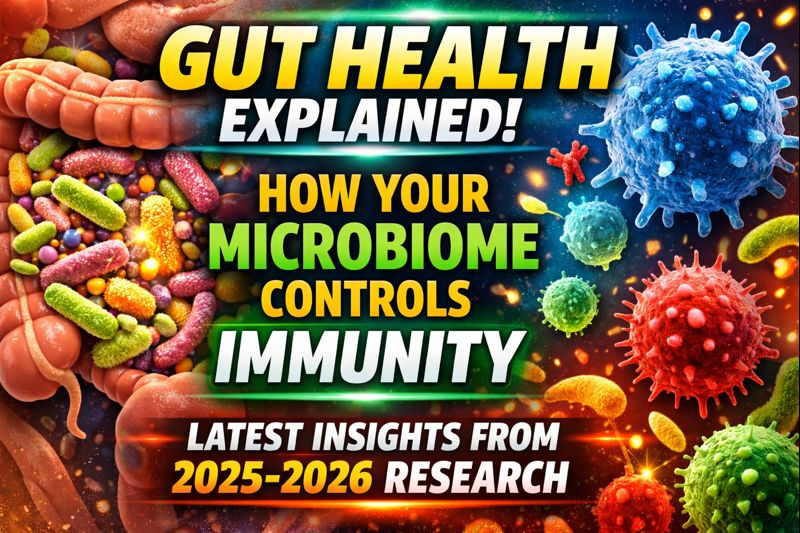
New Delhi/Patna, January 15, 2026 – Emerging scientific evidence continues to highlight the profound link between gut health and the immune system, with the gut microbiome acting as a central regulator of immunity, tolerance, and overall well-being. Recent studies from 2025 underscore how trillions of microorganisms in the intestines shape immune responses, influence disease susceptibility, and even offer new therapeutic avenues for conditions ranging from infections to autoimmune disorders.
Here is a colorful microscopic illustration of the diverse gut microbiome, showcasing beneficial bacteria interacting with intestinal cells to support immune function:
The human gut hosts a complex ecosystem of bacteria, viruses, fungi, and other microbes—collectively known as the microbiome—that outnumbers human cells and contains far more genes. This “forgotten organ” plays a pivotal role in training and modulating the immune system from early life. Research published in 2025, including reviews in Frontiers in Immunology and Microorganisms, reveals that a balanced microbiome promotes immune tolerance, prevents overreactions to harmless substances, and strengthens defenses against pathogens.
Key mechanisms include:
- Production of short-chain fatty acids (SCFAs) by fermenting dietary fiber, which regulate inflammation, support regulatory T cells, and enhance mucosal barrier integrity.
- Direct interaction with immune cells, such as group 3 innate lymphoid cells (ILC3s) and Th17 cells, to maintain homeostasis.
- Colonization resistance that blocks harmful pathogens while priming systemic innate immunity, including antiviral responses via pathways like cGAS–STING–IFN-I.
Dysbiosis—or imbalance in the microbiome—has been linked to increased vulnerability to infections, chronic inflammation, autoimmune diseases (e.g., IBD, rheumatoid arthritis), and even impacts on cognitive health through the gut-brain axis. A 2025 study highlighted how maternal consumption of certain food emulsifiers can alter offspring microbiome early in life, leading to long-term immune dysregulation and higher risks of inflammation-related disorders.
This diagram illustrates the intricate crosstalk between gut bacteria, metabolites, and immune cells, demonstrating how the microbiome influences both local and systemic immunity:
Experts emphasize practical steps to nurture gut health and bolster immunity:
- Consume a fiber-rich diet with plenty of fruits, vegetables, and whole grains to promote SCFA production.
- Include fermented foods like yogurt, kimchi, and sauerkraut for natural probiotics.
- Limit processed foods, excessive antibiotics, and emulsifiers that disrupt microbial balance.
Here, individuals enjoy probiotic-rich fermented foods known to support a healthy gut microbiome and immune resilience:
As 2025 research advances highlight microbiome modulation through diet, probiotics, and emerging therapies like fecal microbiota transplantation, the field promises personalized approaches to immune health. Scientists stress that maintaining microbiome diversity could be key to preventing disease and optimizing vaccine responses in the future.
For the latest updates, refer to reputable sources such as Gut Microbiota for Health and peer-reviewed journals. Prioritizing gut health remains one of the most accessible ways to strengthen your body’s natural defenses.
(Compiled from recent 2025-2026 scientific publications and reviews as of January 15, 2026.)

Leave a Reply