
New Delhi, January 16, 2026 – In an era of relentless workloads, hybrid schedules, and rising performance expectations, burnout syndrome has emerged as one of the most pressing mental health challenges in the modern workplace. Recent surveys indicate that more than half of U.S. workers — and similar trends globally — are experiencing burnout, with rates reaching alarming highs in 2025–2026.
The World Health Organization (WHO) classifies burnout as an “occupational phenomenon” in its International Classification of Diseases (ICD-11). It is defined as a syndrome resulting from chronic workplace stress that has not been successfully managed, characterized by three core dimensions:
- Feelings of energy depletion or exhaustion
- Increased mental distance from one’s job, or feelings of negativism or cynicism related to one’s job
- Reduced professional efficacy
Here are powerful visual representations of burnout in professional settings:
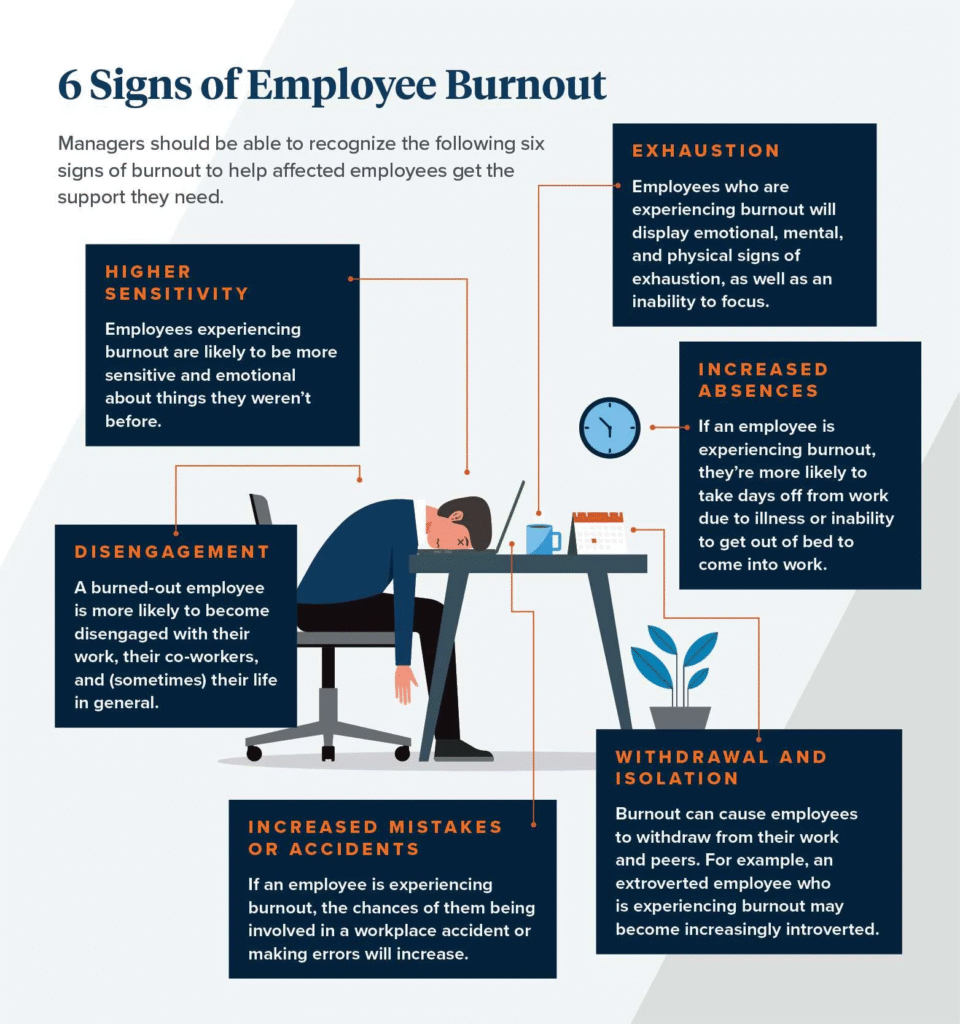
Key Signs and Symptoms of Burnout
Burnout often develops gradually, making early recognition crucial. Common indicators include:
- Physical: Chronic fatigue (even after rest), sleep disturbances, headaches, muscle tension, or digestive issues
- Emotional: Irritability, cynicism, detachment, feelings of helplessness, or emotional numbness
- Behavioral: Reduced productivity, difficulty concentrating, withdrawal from responsibilities, or increased mistakes
This infographic summarizes the primary signs and stages of burnout:
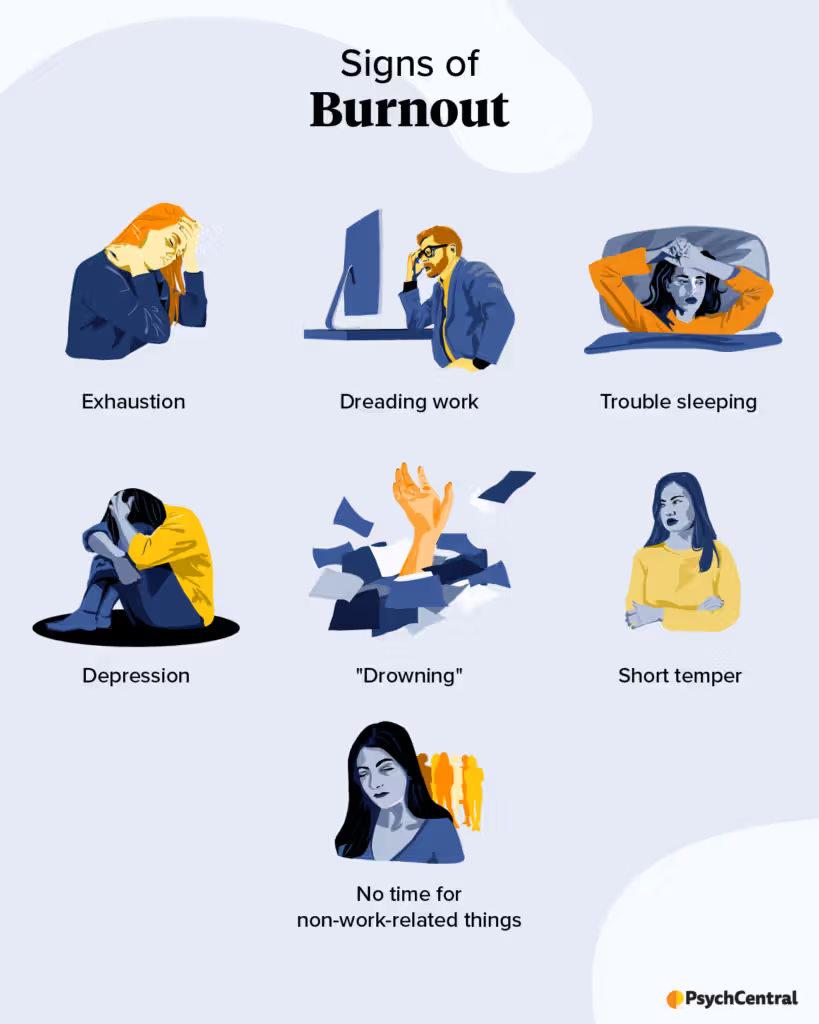
Burnout Infographic: Over 978 Royalty-Free Licensable Stock …
Experts note that burnout can subtly alter personality, leading to heightened irritability and a sense of being “less like yourself.”
What Causes Burnout?
Burnout stems primarily from prolonged, unmanaged stress, often fueled by:
- Heavy or unmanageable workloads
- Lack of control or unclear expectations
- Insufficient support or recognition
- Poor work-life balance
- High-pressure environments (e.g., healthcare, tech, education)
Recent data from 2025–2026 reports show that 55–66% of employees experience burnout symptoms, with factors like heavy workloads and lack of recognition driving the trend. Globally, nearly half of workers report feeling burned out at least occasionally.
Proven Recovery Strategies
The good news: Burnout is reversible. Recovery involves rest, boundary-setting, and evidence-based practices. Key strategies include:
- Psychological Detachment — Completely disconnect from work during non-work hours (e.g., no emails after 7 PM)
- Prioritize Rest and Self-Care — Ensure adequate sleep, exercise, and nutrition; take regular micro-breaks during the day
- Set Clear Boundaries — Learn to say no and protect personal time
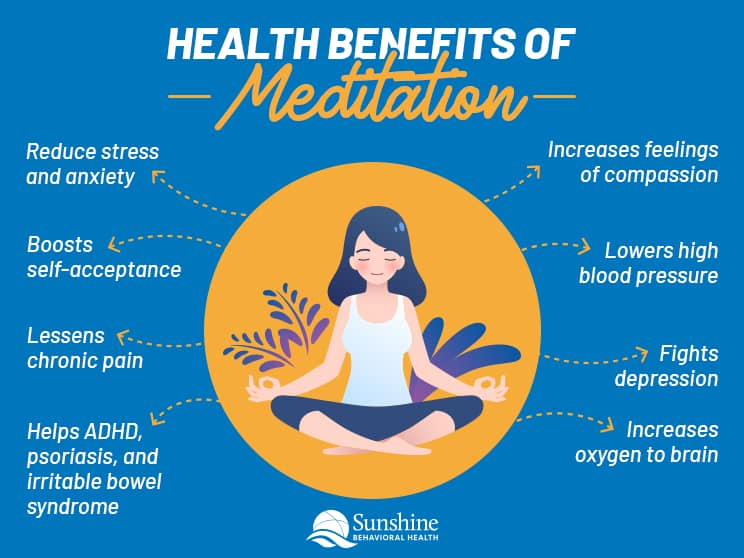
- Mindfulness and Relaxation Techniques — Practices like mindfulness-based stress reduction (MBSR) or meditation show strong evidence in reducing exhaustion
- Seek Support — Talk to trusted colleagues, friends, or professionals; cognitive behavioral therapy (CBT) is highly effective for reframing stress
- Reconnect with Meaning — Engage in hobbies, mastery activities, or nature-based relaxation
Here are calming visuals of recovery through nature and mindfulness:
Why Are We So Burned Out? (And What Do We Do Now?)
Experts emphasize starting small: Acknowledge the issue, reduce immediate stressors, and build sustainable habits. Employers also play a role by promoting flexible schedules, recognition programs, and mental health resources.
As we move further into 2026, addressing burnout is no longer optional — it’s essential for individual well-being, productivity, and organizational success. If you’re experiencing these signs, remember: seeking help is a strength, not a weakness. Prioritize your recovery today for a more balanced tomorrow.
For more resources, consult trusted mental health organizations or professionals. Stay resilient — recovery is within reach.

Leave a Reply