
New Delhi, January 13, 2026 — India, already home to one of the world’s largest diabetes populations, is now witnessing a troubling shift: type 2 diabetes is striking at increasingly younger ages. What was once considered a disease of middle-aged and older adults is rapidly becoming a “silent epidemic” among people under 35 — including those in their 20s and even late teens. Experts describe this as a public health crisis driven by modern lifestyles colliding with genetic vulnerabilities, often going unnoticed until serious complications arise.
Here, a young Indian professional grabs a quick fast-food meal amid a busy urban workday — a common scene contributing to the rising risk
The Alarming Rise in Numbers
Recent data paints a stark picture. While overall diabetes prevalence in India stands at around 10-11 crore adults (with projections climbing toward 12.5 crore by 2045), studies highlight a sharp increase among younger groups. In southern India, for instance, type 2 diabetes prevalence in the 35–44 age bracket rose from 18.3% to 22.5% over a decade, with prediabetes surging even faster. Reports from 2025 indicate that up to 18% of young adults already show signs of the condition, particularly in urban centers like Chennai, Delhi, and Mumbai.
Young-onset diabetes (diagnosed before age 40–45) is especially aggressive in Indians, often linked to earlier and more severe complications such as kidney damage, heart disease, and vision problems — striking during the most productive years of life.
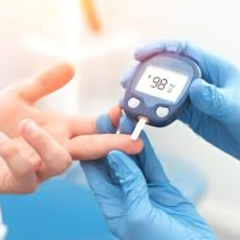
A young Indian checking blood sugar levels with a glucose monitor — early detection is key, yet many cases remain undiagnosed.
4+ Hundred Indian Diabetes Patient Royalty-Free Images, Stock …
Key Drivers Behind the Early-Onset Epidemic
- Unhealthy Diets & Ultra-Processed Foods The shift from traditional home-cooked meals to high-calorie, low-nutrient fast food, sugary beverages, and refined carbs has fueled obesity and insulin resistance. Urban youth often rely on quick, affordable junk options loaded with trans fats and sugars.
- Sedentary Lifestyles & “9-to-9” Work Culture Long hours at desks, excessive screen time, and minimal physical activity define modern life for many young Indians. Physical inactivity is a major contributor, with studies showing most affected youth lead largely sedentary routines.
Young Indians glued to screens in a sedentary setting — prolonged sitting and lack of exercise accelerate metabolic risks.
1+ Hundred Indian Sedentary Lifestyle Royalty-Free Images, Stock …
- Strong Genetic Predisposition Indians tend to develop diabetes at lower body mass indexes (BMIs) than other populations, often with a “thin-fat” body type — higher visceral fat despite normal weight. Family history plays a huge role: parental diabetes can trigger onset 10–15 years earlier.
- Rising Obesity, Stress & Hormonal Factors Urban stress, poor sleep, and conditions like PCOS (in young women) compound insulin resistance. Early-life factors, including possible undernutrition in previous generations, may also reduce beta-cell function.
The “Silent” Nature & Urgent Need for Action
Many young people remain unaware — symptoms like fatigue or frequent urination are dismissed as stress or lifestyle issues. Awareness remains low, screening infrequent, and stigma around the disease persists.
Experts emphasize prevention: regular blood sugar checks starting in the mid-20s (especially with family history), 150 minutes of weekly exercise, balanced Indian diets rich in fiber, reduced processed foods, and weight management can prevent or delay onset in up to 35% of prediabetic cases.
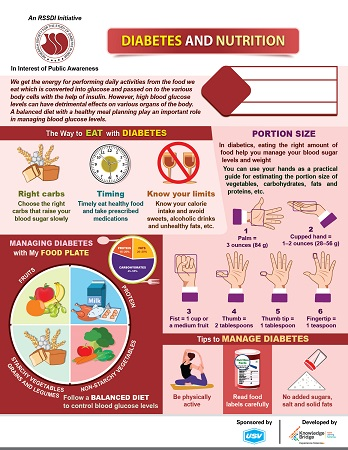
Infographic highlighting the growing burden of diabetes in India — numbers continue to rise rapidly.
This infographics on the burden of diabetes in India is developed …
India’s youth are the future of the nation — protecting them from this preventable epidemic requires collective effort from individuals, families, workplaces, and policymakers. Early screening, lifestyle changes, and public awareness campaigns can turn the tide before this silent crisis becomes irreversible.
For more information, consult healthcare professionals or refer to resources from the Indian Council of Medical Research (ICMR) and the International Diabetes Federation (IDF). Stay informed, stay active — your health depends on it.

Leave a Reply